


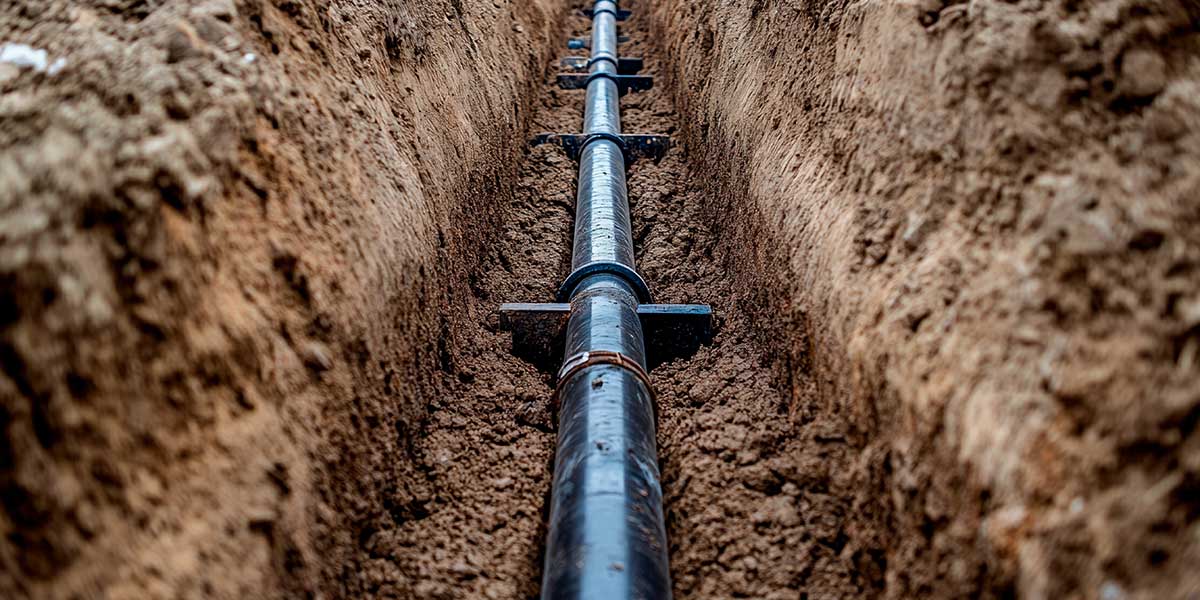
 You trust the water lines beneath your yard to work quietly for years, but the ground might have other plans. A wet patch or sudden pressure drop often points to an underground plumbing problem, so if you notice either, contact experienced plumbers in Lakeville, MN, before a leak becomes costly.
Soil makeup shapes how long pipes last. In this guide, MN Plumbing & Home Services will explain how soil affects water lines and which warning signs deserve attention.
What Happens Underground Around Your Pipes?
Every yard contains soil and surrounding material that interacts with buried pipes. Some soils retain moisture much longer than others. These soil conditions expose buried pipes to different moisture and ground movement patterns. Over time, that steady interaction can shorten a pipe’s water line lifespan.
How Does Soil Type Affect Pipe Durability?
Different soil types place different kinds of stress on buried water lines. Dense soil may press against pipes as it moves, while loose soil can settle and reduce the support surrounding them. Common soils in Minnesota yards can affect underground plumbing in several ways:
- Clay soil: Swells when wet, shrinks when dry, stressing joints
- Sandy soil: Drains fast but shifts, offering less support
- Rocky soil: Contains sharp material that wears pipe surfaces
Understanding these differences helps explain why nearby properties may experience different levels of stress around their buried water lines.
How Do Soil Corrosion and Pressure Damage Buried Pipes?
Buried pipes can face both chemical and physical stress. Soil corrosion occurs when acidic or moisture-rich ground reacts with metal piping. Over time, this reaction can weaken pipe walls and leave older metal lines more vulnerable to leaks. Learning about the types of plumbing pipes can help you discuss suitable replacement materials with a plumber.
Soil pressure creates a different risk. It can build as the earth freezes, thaws, or becomes saturated, pushing against buried pipes and cracking even sturdy materials over time. This movement can contribute to water main breaks during Minnesota winters.
Warning Signs of Soil-Related Pipe Damage
Soil-related damage may develop gradually, although signs sometimes appear only after a leak begins.
- Higher water bills: A sudden rise may mean water is escaping.
- Low water pressure: A blockage or damaged line can reduce water flow.
- Wet or soggy spots: Puddles without rain can signal a hidden leak.
- Running water sounds: Unexplained noises may indicate a concealed leak.
Any one of the above could justify a professional inspection.
Why Do Homeowners Trust MN Plumbing & Home Services?
Our team understands how shifting or corrosive soil affects buried pipes. If an inspection finds underground damage, our team can determine whether the affected line needs repair or replacement. If problems extend throughout your plumbing system, we can also explain whether repiping your home may be appropriate.
With more than 30 years of experience, we help homeowners manage soil-related plumbing issues. Call MN Plumbing & Home Services at (952) 522-5442 if you notice unexplained pressure changes or wet areas in your yard. We proudly serve Lakeville and the Twin Cities Metro whenever soil threatens your water lines.